Available Throughout Florida

How to Select the Right Mediator for Your IP Dispute

The selection of a mediator is the first and most important decision parties make in the dispute resolution process. A skilled, well-matched mediator can bridge wide divides, surface settlement possibilities neither side has considered, and bring a complex intellectual property dispute to resolution. A poor fit wastes time and money, also often pushes parties further from agreement than when they started. 

This page explains what to look for when selecting a mediator for an intellectual property dispute, why domain expertise matters more in IP than in most other areas of law, and what distinguishes a mediator who will truly move the needle from one who merely facilitates an exchange of positions. 

Brian Gilchrist is a certified IP mediator based in Orlando, Florida. His practice focuses exclusively on intellectual property disputes, patent, trademark, copyright, and trade secret matters spread across Florida and nationally.

Business professionals in a conference room meeting, representing the process of selecting a mediator for IP disputes

Why Mediator Selection Matters More in IP Disputes

In a straightforward commercial dispute, the gap between parties often comes down to money. The mediator’s job is to help each side move toward the number that makes resolution possible. Those mediations benefit from a neutral who is skilled in process and communication but deep subject matter knowledge is less critical. 


Intellectual property disputes are different. The gap between parties frequently involves technical disagreements about how a patent claim reads on an accused product, whether a trademark has acquired distinctiveness, what constitutes substantial similarity in a copyright case, or how to value a reasonable royalty. Parties who must spend their limited mediation time explaining or worse, debating then the foundational concepts of their dispute have already lost ground. 


An IP mediator who understands the technology, the law, and the litigation landscape can do what a generalist cannot: question the assumptions behind each party’s position, offer realistic assessments of how a court or jury might respond, and push the conversation past surface-level posturing toward the substance of resolution.


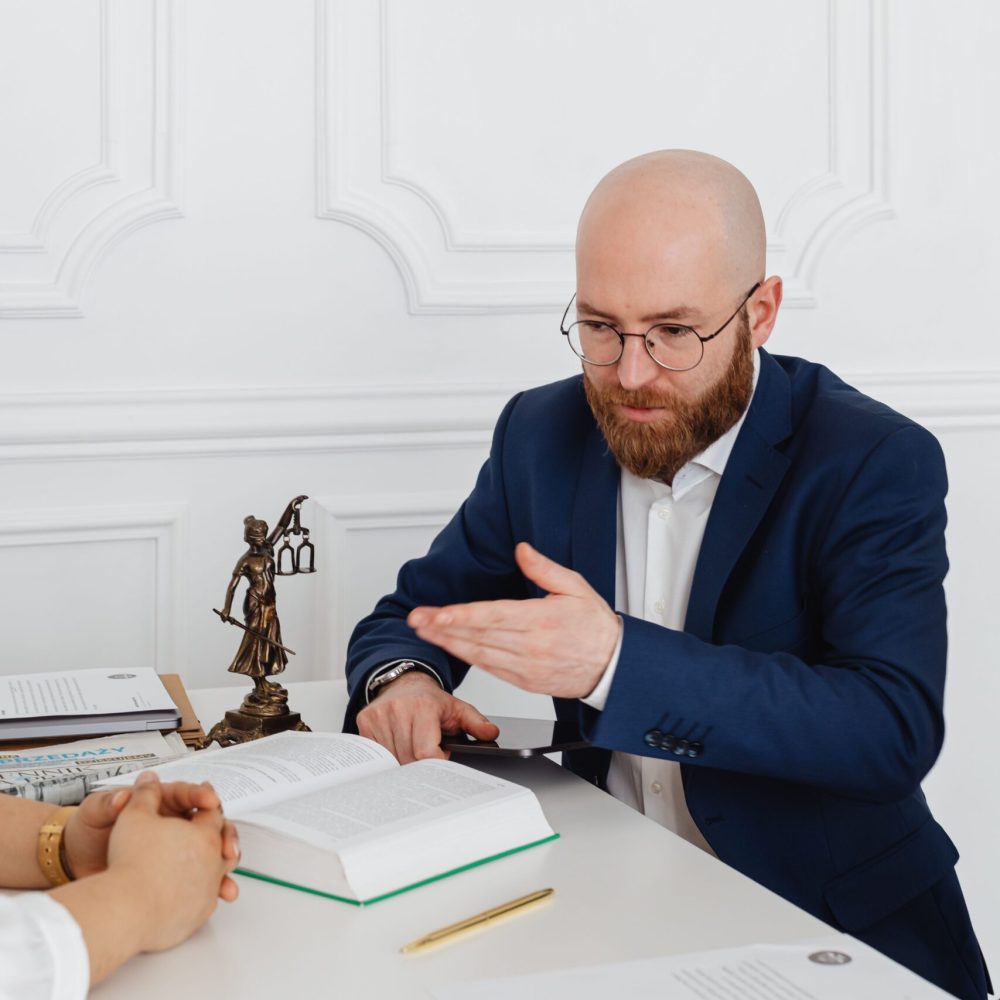
A Person is Explaining About Property Dispute

Key Qualities to Look for in an IP Mediator

1. Deep Knowledge of IP Law and the Underlying Technology

The most important single qualification for an IP mediator is genuine familiarity with the field. This means understanding not just the statutes and case law including the patent eligibility, trademark likelihood of confusion, copyright fair use, trade secret misappropriation but also the technical subject matter is of the dispute itself. 

A mediator who has spent years litigating patent cases understands how claims are construed, what prior art arguments look like, how validity challenges are mounted and defended, and what the realistic range of outcomes looks like for a case with given facts. That knowledge cannot be faked and cannot be acquired in a mediation brief. It is the product of years of practice and it is what determines whether a mediator can add real value to an IP mediation. 

2. The Ability to Serve as a Credible Reality Check 

Parties in IP disputes, especially patent disputes are often arrive at mediation with deep conviction that their position is correct and that the other side will eventually see it. This conviction is understandable. It is also one of the most common obstacles to settlement. 

An effective IP mediator can serve as a credible reality check for both sides: challenging the assumptions behind a damages model, questioning whether a patent claim is as strong as counsel believes, or helping a defendant understand that a cost-of-defense argument only takes them so far. This kind of frank engagement is only possible when the mediator has enough substantive knowledge to make their views credible to experienced IP counsel. 

3. Demonstrated Experience in IP Dispute Resolution 

Look for a mediator with a track record of handling IP disputes and not just disputes in general. Relevant experience includes familiarity with patent, trademark, copyright, and trade secret cases; experience with both pre-litigation and court-ordered mediations; and an understanding of the business context that surrounds most IP disputes. 

Credentials matter here too. Florida Supreme Court Certified Circuit Civil Mediator certification, combined with a background in IP litigation, provides a meaningful foundation. Ask about the types of cases the mediator has handled, the stage at which cases are typically resolved, and whether the mediator has experience with the specific type of IP at issue in your matter. 

4. Willingness to Invest Substantial Time Before, During, and After the Session 

The best IP mediations don’t begin the day of the session. An effective mediator invests significant time before the mediation for reviewing the parties’ mediation briefs, understanding the full factual and legal context of the dispute, identifying the key pressure points, and developing a strategic approach tailored to the specific dynamics of the case. 

Equally important: a mediator’s commitment should not end if the session does not produce immediate settlement. Many complex IP disputes require follow-up with additional conversations, revised settlement terms, and creative structuring of an agreement. A mediator willing to stay engaged until the matter is fully resolved is worth far more than one who considers their job done at the close of the scheduled session. 

5. Creativity in Structuring Solutions 

Intellectual property disputes rarely resolve cleanly through a simple payment of damages. The most satisfying outcomes for both parties frequently involve licenses, cross-licenses, co-existence agreements, royalty arrangements, technology-sharing structures, or joint ventures. A mediator who understands these instruments and who actively helps parties explore them, can unlock resolution paths that a pure litigation mindset would never find. 

When evaluating a mediator, ask about their approach to settlement structuring. A mediator who defaults to splitting the damages demand down the middle is not the same as one who genuinely works to identify outcomes that serve both parties’ long-term business interests.

Questions to Ask When Evaluating an IP Mediator

Before selecting a mediator for your IP dispute, consider asking: 


  • What is your background in intellectual property law as a litigator, counsel, or both? 


  • What types of IP disputes have you mediated? Is it a patent, trademark, copyright, or trade secret? 


  • How do you prepare for a mediation? Do you review briefs and meet with parties in advance? 


  • What is your approach when a session does not produce agreement on the day? 


  • How do you handle cases where one party is significantly more sophisticated than the other? 


  • Can you describe a situation where you helped parties reach a creative, non-monetary resolution?


The answers reveal not just credentials, but process and philosophy and whether the mediator’s approach is genuinely suited to your dispute.

Why Attorneys and Parties Choose Brian Gilchrist

Brian Gilchrist brings a combination of qualifications that is rare in the Florida mediation market: a career as an intellectual property litigator combined with formal mediator training and a practice focused exclusively on IP dispute resolution. 


His background includes decades of work on patent, trademark, copyright, and trade secret matters, giving him firsthand familiarity with the arguments, dynamics, and pressure points that define these disputes. He is a Florida Supreme Court Certified Circuit Civil Mediator and serves parties, IP attorneys, and corporate counsel throughout Orlando, Central Florida, and statewide. 


Brian’s approach to each mediation begins well before the scheduled session. He reviews parties’ materials thoroughly, develops an understanding of the core technical and legal issues, and arrives prepared to engage substantively not just facilitate. When a case does not resolve in the first session, he remains engaged, working with parties and counsel until the dispute is fully resolved. 


For attorneys seeking a mediator who can credibly challenge both sides and help craft durable, creative solutions to complex IP disputes, Brian Gilchrist is the right choice. 

Schedule a consultation to discuss your matter.

Brass scales of justice symbolizing Brian Gilchrist's Florida-wide IP mediation practice
Scales of justice on a desk, representing statewide mediation services in Florida

Serving Orlando, Central Florida, and Statewide

Brian Gilchrist’s mediation practice is based in Orlando and serves clients throughout Florida. He regularly works with IP attorneys, in-house counsel, and corporate parties in Tampa, Miami, West Palm Beach, Fort Lauderdale, Sarasota, Melbourne, Fort Myers, Ocala, and Tallahassee. Dedicated location pages for these markets are coming soon. 

Whether your IP dispute involves a matter in the Southern District of Florida, the Middle District, or a private pre-suit mediation anywhere in the state, Brian Gilchrist provides the substantive expertise and process commitment to move your case toward resolution.

To discuss your IP dispute and mediation needs, call 407-841-2330 or email bgilchrist@allendyer.com. Schedule your appointment.

Frequently Asked Questions About Selecting a Mediator

Q1. Does it matter if the mediator has a legal background in IP specifically?

Yes, significantly. A general mediator can facilitate a conversation, but an IP mediator with substantive background can do much more: question the legal assumptions behind each party’s position, offer realistic assessments of litigation outcomes, and help parties evaluate creative settlement structures that only make sense in an IP context. In technically complex disputes, this expertise is often the difference between impasse and resolution.

Ideally, yes. A mediator that both parties respect and trust creates a better environment for frank, productive conversation. When parties cannot agree, the court may appoint a mediator, but agreed selection is almost always preferable. If you are open to a mediator the other side has used before, that history of trust can itself accelerate resolution.

It depends on the dispute. In cases where claim construction or technical infringement is central to the valuation of the case, a mediator who understands the underlying technology can engage more meaningfully with the parties’ expert positions. In cases where the primary issues are business-driven like damages valuation, licensing terms, settlement structure for these things, the deep technical expertise matters somewhat less. Brian Gilchrist discusses each matter in advance to ensure a good fit.

Ask directly and ask for specifics. A mediator with genuine IP experience will be able to speak concretely about the types of cases they have handled, the issues that arose, and the types of outcomes achieved. Credentials like Florida Supreme Court Certification are meaningful, but experience handling IP-specific disputes is what matters most. Do not hesitate to request a pre-mediation call to assess fit.

Distance is not a barrier. Brian Gilchrist conducts both in-person and remote mediations. Many IP disputes involve parties and counsel spread across multiple jurisdictions, and this is standard practice in IP mediation. For disputes in Tampa, Miami, Fort Lauderdale, and other Florida markets, in-person sessions can be arranged at a location convenient to the parties.

In voluntary mediations, yes, the parties can agree to change mediators at any point. In court-ordered mediations, there may be procedural steps required to substitute a mediator. If a mediation session ends without resolution, but the parties want to continue, they are free to re-engage the same mediator or select a new one. Many IP disputes that do not settle on the first day ultimately resolve through continued mediator engagement.

Get in Touch

Get expert support for intellectual property matters, including protecting innovations and trademarks.